
Dig Deeply into Scripture.
Delight in His Word.
These inductive Bible studies are designed to get you into the biblical text: slowing down, asking questions, and learning to see what it actually says. You’ll observe the text carefully, understand what it means in context, and think about how the truth that you’ve learnd should shape your life.
You don’t need any prior experience with inductive Bible study. The questions walk with you whether you’re studying on your own, gathering with a few friends, or part of a women’s Bible study, helping you dig deeply into God’s Word so you can grow in your relationship with the Lord.
Designed for Real Bible Study
The focus of the study is the Bible itself. You’ll spend your time engaging with the biblical text, asking careful questions, and allowing Scripture to shape your understanding rather than simply reading someone else’s conclusions. As you learn to see the truth in God’s Word for yourself, you’ll become more confident in what you believe and why you believe it
Guided, In-Depth Study
Studying the Bible for yourself doesn’t mean you’re on your own. Carefully designed questions guide you through the text—helping you know what to look for, understand what you’re seeing in context, and consider how God’s truth applies to your life. Work through the questions on your own, then bring what you’ve discovered to a group and learn from one another as you dig into God’s Word together.
Set Your Own Pace
Do as little or as much as your time allows.
Lessons are broken into Parts rather than “weeks” and “days,” so you can move through the study at a pace that fits your life. You can finish a Part in one sitting, or linger if you need to. And if you have more time, there’s plenty of room to keep digging. It’s completely up to you!
Leading a group? Find practical help with pacing, preparation, discussion, and choosing a study on the For Group Leaders page.
Explore the Studies
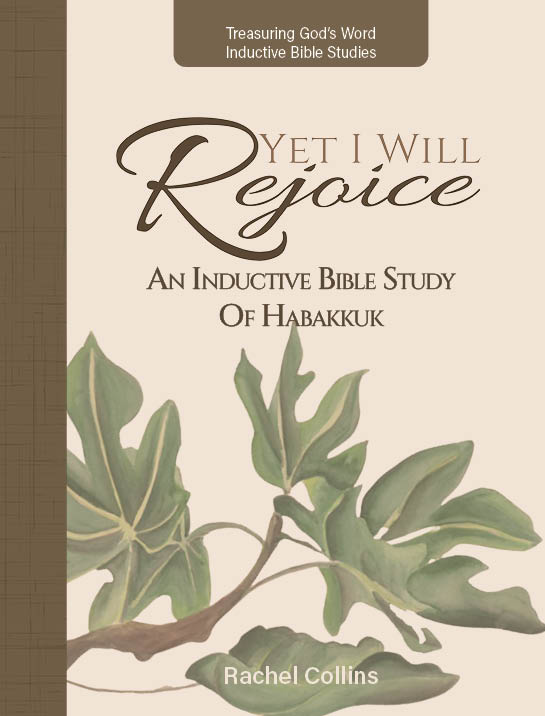
Habakkuk
Yet I Will Rejoice: An Inductive Bible Study of Habakkuk
How do I trust God when the world seems out of control?
Habakkuk opens with an agonized question: “How long?” Everywhere he looks, God’s people have rejected Him. Violence, injustice, corruption, and oppression surround him, and God seems silent. If God is good and all-powerful, why does evil seem to be winning?
God’s answer only raises more questions. He is at work, but not in the way Habakkuk expected. As the prophet wrestles with God’s response, he must learn to trust the character and sovereignty of God even when he cannot understand His ways.
Yet I Will Rejoice walks through that journey with Habakkuk—from questions and confusion to faith and, ultimately, rejoicing. You’ll see that evil will not have the final word, God is still in control, and He is worthy of our trust even when the world around us seems to be falling apart.
Study Focus
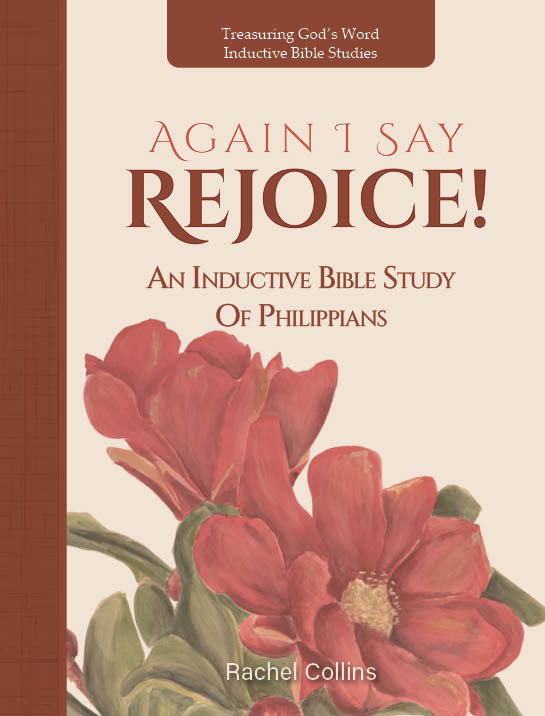
Philippians
Again I Say Rejoice! An Inductive Bible Study of Philippians
“I have learned the secret…” — Philippians 4:12
Paul writes Philippians from prison to a church facing poverty and persecution, and yet somehow his letter is filled with joy. By the end, Paul can say that he has “learned the secret” of being content regardless of his circumstances. What has he learned?
Throughout Philippians, Paul keeps bringing our attention back to Christ. We see the gospel advancing through suffering, the humility and obedience of Christ, what it means to work out our salvation, and the difference between placing our confidence in ourselves and finding our true gain in Him.
Again I Say Rejoice walks through Paul’s letter chapter by chapter, helping you see how a life centered on Christ changes the way we understand our circumstances, our relationships, and even ourselves. The joy Paul describes isn’t dependent on life going well. It grows out of knowing Christ and learning to see every part of life in light of Him.
Study Focus
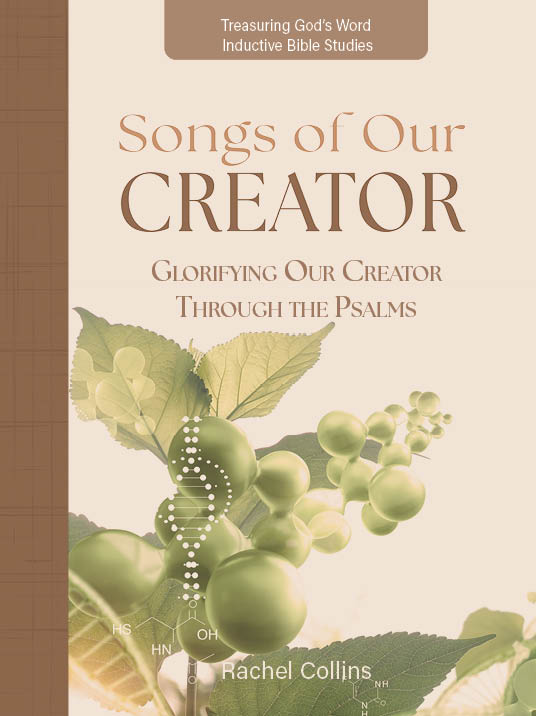
Psalms
Songs of Our Creator: Glorifying Our Creator Through the Psalms
What does creation teach us about its Creator?
The heavens, the earth, the creatures that fill it, even the smallest details of the world around us declare something about the God who made them. Songs of Our Creator explores selected Psalms to consider what creation reveals about His glory, power, wisdom, authority, and care.
But these Psalms don’t simply point us toward the created world. They turn our eyes toward its Creator. As you study, you’ll consider what it means that God is your Creator, how His power and care give you reason to trust Him, and why the One who made all things is worthy of your worship.
Again and again, the Psalms bring us back to the same response: awe and praise. The more clearly we see the Creator, the more reason we have to worship Him
Study Focus
Psalms
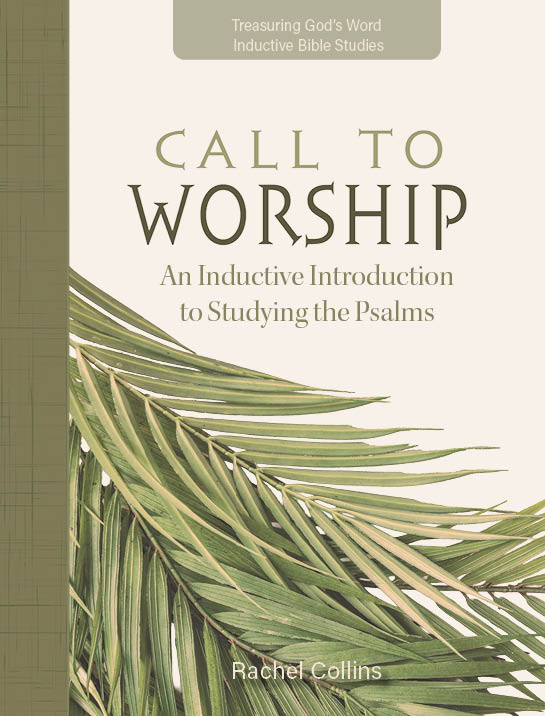
Call to Worship: An Inductive Introduction to Studying the Psalms
Learn to study the Psalms by studying the Psalms
The book of Psalms opens with a call to worship. Psalm 1 calls us to delight in God’s Word, and Psalm 2 directs our attention to the true King. Together, they introduce a collection of songs and prayers that teach us about God, ourselves, and what it means to worship Him.
Call to Worship is both a study of selected Psalms and an introduction to studying the Psalms for yourself. As you work directly with the biblical text, you’ll learn practical study skills such as identifying key words, using cross-references, and considering context. You’ll also learn to recognize features of Hebrew poetry, including parallelism, imagery, symbolism, and stanzas.
But you won’t simply learn about these tools. You’ll use them as you study Psalms from several different genres, learning to slow down, look carefully at the text, and follow its message. My hope is that you’ll come away not only with a deeper understanding of these Psalms, but better equipped to open another Psalm and study it for yourself.